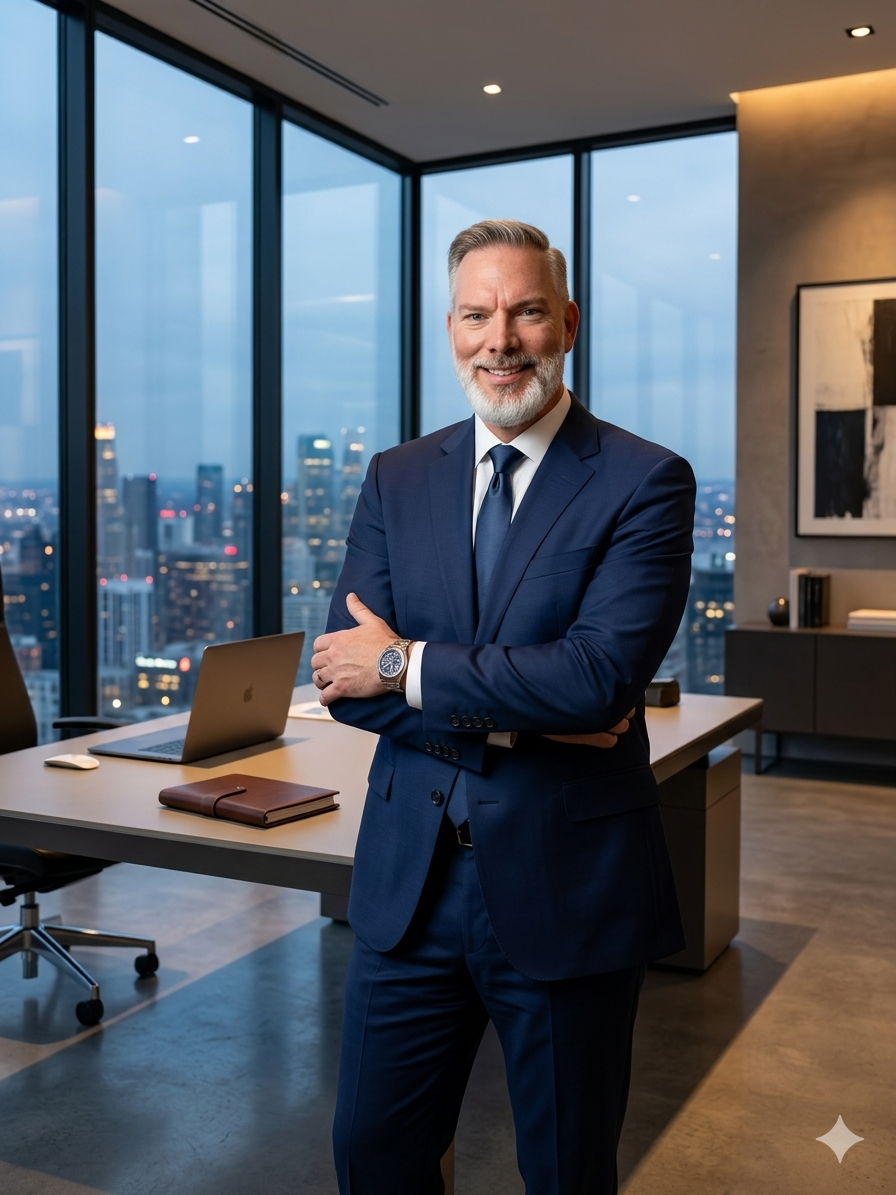
Executive Operations Advisory
Chief Operating Officer
Gardere Wynne Sewell
Director of Administration
Norton Rose Fulbright
Founder and Chief Executive
Second Course Hospitality
Services
Fractional COO
Embedded executive operations leadership — 20 to 40 hours per month. You get a COO without the full-time cost. Minimum three-month engagement. In-person, remote, or hybrid.
Monthly retainer — scope and investment discussed in our first conversation
Operational Assessment
A structured audit of your operations with a prioritized action plan and 60-day roadmap. Three to four weeks. Specific findings, specific next steps.
Fixed-fee — investment based on organization size and complexity
Project Consulting
Buildouts, vendor negotiations, M&A integration, systems overhauls, departmental restructuring. Fixed scope, fixed deliverables, fixed price from day one.
Fixed-fee or milestone-based — scope and pricing defined at engagement start
Hourly Advisory
Targeted expertise on a specific question. No retainer required. Four-hour minimum. Available by phone, video, or in person.
$295 per hour
Most organizations reach a point where the operational side has not kept pace with everything else. Leadership is stretched thin. Systems that worked at half the size are breaking down. The people running the business are spending time on things that are not their highest and best use, and the gap keeps getting wider.
Criterion Advisory Group was built to close that gap. The organizations that benefit most are often the ones that have outgrown their original operating structure but are not yet at a size that justifies a full-time COO. That is exactly the space this practice serves. We work with law firms, hospitality groups, professional services organizations, and founder-led businesses across a range of sizes. You work with the principal from the first conversation to the final deliverable. If something is not working, we say so.
The Record
Chief Operating Officer
Gardere Wynne Sewell LLP
Am Law 100 firm — firm-wide operations across multiple offices, full executive team
Director of Administration
Norton Rose Fulbright
Am Law 100 firm — HR, technology, office services, accounting, vendors, and compliance
Founder and Chief Executive
Second Course Hospitality
Five locations, 225 employees — built every operating system and vendor relationship from the ground up
Director of Information Technology
Jenkens & Gilchrist LLP
Am Law firm — ranked among the nation's fastest-growing firms four consecutive years. Technology leadership and infrastructure across firm operations and multiple offices through a decade of rapid expansion.
Technology Leadership
Akin Gump Strauss Hauer and Feld LLP
Early-career technology and infrastructure leadership at one of the country's largest Am Law practices
Patterns We Recognize
The details change. The underlying problems usually do not. If any of these sound familiar, that is the right starting point for a conversation.
The Culture Doesn't Scale by Default
When there were ten people, everyone knew the mission, felt ownership, and had direct access to whoever was making decisions. At forty, that changes. Not because the mission shifted, but because nobody built the systems to carry the culture forward as headcount grew. New people arrive into something that feels less engaged than the organization the founders describe. The people who were there from the beginning sense the drift too, though they rarely say it out loud.
Partners Running Operations
The people who built the business are often the least equipped to scale it. Not because they lack intelligence, but because every dollar spent on infrastructure is a dollar that does not hit their draw. That calculus makes sense at $3M. At $12M it is the reason you cannot attract the talent you need, your systems are two versions behind, and your best people are building workarounds for processes that should have been rebuilt two growth cycles ago.
Compliance Without Buy-In
The new process was announced. The training happened. Six months later, half the team reverted. Not because the change was wrong, but because nobody made the case for it. People do not resist change; they resist being told to change. When there is no shared understanding of why something is shifting, the path of least resistance is always backward.
A Process Built for the Last Version of Your Business
The workflow made sense when there were twelve of you. There are sixty now, and it is still running on the same logic. The people who built it are protective of it. Nobody has time to tear it apart. So you hire around it, build exceptions into the exceptions, and spend more energy managing the workaround than the work itself.
Industries We Serve
How We Work
Step 01
A direct call with the principal. No junior associates. You describe what you are dealing with. We assess fit honestly. If there is not one, we say so.
Step 02
We agree on what we are doing, what it costs, and what you will get. Nothing open-ended. Everything defined in writing before work begins.
Step 03
Embedded and hands-on. We attend your meetings, talk to your people, and deal with problems directly. No advisory from a distance.
Step 04
Deliverables for the people who act on them. Plain language. Measurable outcomes. If something is not working, we say so.
Contact
Every engagement begins with a call. No intake forms, no junior associates. You speak with the principal from that first conversation to the final deliverable. Confidentiality is non-negotiable.
Get in touch
Whether you are at an inflection point, dealing with a specific challenge, or simply want to understand what senior-level operational leadership looks like on a fractional basis — the conversation is the right first step.
Send a message